
In the world of modern retail, logistics, and fashion, RFID (Radio Frequency Identification) technology is revolutionizing the way we track, manage, and authenticate clothing and textiles. One of the most innovative applications of RFID is embedding RFID tags directly into clothes. But why should companies consider embedding RFID tags in their garments? In this article, we will explore the numerous advantages and practical applications of RFID tags in clothing, and why it’s becoming a must-have technology for fashion brands and retailers.
RFID is a wireless technology that uses radio waves to transfer data between a tag (which is attached to an object) and a reader. RFID tags are commonly used for inventory tracking, product authentication, and logistics management. These tags can be embedded in clothes in various forms, such as sewn-in labels, hangtags, or integrated directly into the fabric When a reader detects the RFID tag, it instantly provides information such as product details, stock levels, and more.
RFID Basics
Why Embed an RFID Tag in Clothes? The Benefits and Applications
Cut inventory time by 50% with Smartag RFID solutions,
By Smartag Team | Last Updated: Apri 24, 2024

In the world of modern retail, logistics, and fashion, RFID (Radio Frequency Identification) technology is revolutionizing the way we track, manage, and authenticate clothing and textiles. One of the most innovative applications of RFID is embedding RFID tags directly into clothes. But why should companies consider embedding RFID tags in their garments? In this article, we will explore the numerous advantages and practical applications of RFID tags in clothing, and why it’s becoming a must-have technology for fashion brands and retailers.
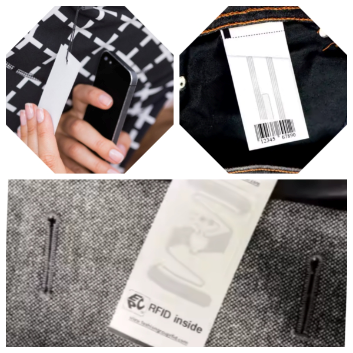
RFID is a wireless technology that uses radio waves to transfer data between a tag (which is attached to an object) and a reader. RFID tags are commonly used for inventory tracking, product authentication, and logistics management. These tags can be embedded in clothes in various forms, such as sewn-in labels, hangtags, or integrated directly into the fabric. When a reader detects the RFID tag, it instantly provides information such as product details, stock levels, and more.
RFID is a wireless technology that uses radio waves to transfer data between a tag (which is attached to an object) and a reader. RFID tags are commonly used for inventory tracking, product authentication, and logistics management. These tags can be embedded in clothes in various forms, such as sewn-in labels, hangtags, or integrated directly into the fabric. When a reader detects the RFID tag, it instantly provides information such as product details, stock levels, and more.
Why Embed an RFID Tag in Clothes?
1. Enhanced Inventory Management
Embedding RFID tags in clothes enables real-time tracking and accurate inventory management. Traditional barcode scanning requires manual input and is prone to errors. In contrast, RFID can scan multiple items at once, reducing human errors and significantly improving efficiency. With RFID tags sewn directly into garments, retailers can track the entire life cycle of a product, from manufacturing to shelf stocking, to customer purchase.
2. Improved Retail Operations
For retailers, the integration of RFID tags in clothing enhances store operations. It enables automatic stocktaking, which reduces the need for manual checks, minimizes stockouts, and improves overall inventory accuracy. Furthermore, it speeds up processes like restocking and order fulfillment, which ultimately leads to a smoother shopping experience for consumers.
3. Better Theft Prevention
Theft and loss prevention are major concerns for retailers. Embedding RFID tags in clothes provides a strong anti-theft solution. Unlike traditional security tags, RFID tags are harder to remove or deactivate without triggering alarms at the store exit. This offers an additional layer of security, making it difficult for shoplifters to steal clothing without detection.
4. Enhanced Customer Experience
RFID technology can enhance the customer experience in multiple ways. For instance, retailers can use RFID tags to enable “smart” fitting rooms that allow customers to try on clothes and view personalized suggestions based on their size and preferences. Additionally, RFID can provide detailed product information, such as fabric type, care instructions, and availability in different sizes or colors, all accessible via a mobile app.
5. Streamlined Supply Chain
Embedding RFID tags in clothing enhances the transparency and efficiency of the entire supply chain. With RFID tracking, manufacturers, distributors, and retailers can get real-time data about the location and status of products. This helps improve logistics, reduce delays, and make the entire supply chain more efficient.
6. Sustainability Benefits
Embedding RFID tags in clothing can contribute to sustainability efforts. With RFID, brands can track the life cycle of each product, ensuring better resource management and reducing waste. Moreover, RFID can help identify and remove excess inventory, preventing unsold goods from contributing to landfill waste. The data collected by RFID can also support efforts to create more sustainable and circular fashion systems.
Conclusion: The Future of Fashion is RFID-Embedded
From improving inventory management to providing better security, customer experience, and sustainability, RFID technology is transforming how companies interact with both products and consumers. As the fashion industry moves towards smarter, more connected solutions, embedding RFID tags in clothing is becoming an essential tool for staying ahead in the competitive retail environment.
By leveraging the power of RFID, brands can not only streamline operations but also offer their customers a more personalized and secure shopping experience. As RFID technology continues to improve, embedding it into clothing will only become more commonplace, marking the beginning of a new era in fashion technology.
Applications of Embedded RFID Tags in Clothes
• Fashion Industry: Fashion brands are increasingly embedding RFID tags into their clothing lines to streamline operations and ensure authenticity. RFID tags help combat counterfeiting by providing a unique identifier for each item of clothing.
• Sportswear and Activewear: In the activewear industry, RFID tags track product usage and wear-and-tear, offering valuable insights into customer behavior and garment durability.
• Healthcare Uniforms: Hospitals use RFID-embedded clothing to manage uniforms, ensuring that each garment is properly sanitized, tracked, and accounted for.
1. Enhanced Inventory Management
Embedding RFID tags in clothes enables real-time tracking and accurate inventory management. Traditional barcode scanning requires manual input and is prone to errors. In contrast, RFID can scan multiple items at once, reducing human errors and significantly improving efficiency. With RFID tags sewn directly into garments, retailers can track the entire life cycle of a product, from manufacturing to shelf stocking, to customer purchase.
2. Improved Retail Operations
For retailers, the integration of RFID tags in clothing enhances store operations. It enables automatic stocktaking, which reduces the need for manual checks, minimizes stockouts, and improves overall inventory accuracy. Furthermore, it speeds up processes like restocking and order fulfillment, which ultimately leads to a smoother shopping experience for consumers.
3. Better Theft Prevention
Theft and loss prevention are major concerns for retailers. Embedding RFID tags in clothes provides a strong anti-theft solution. Unlike traditional security tags, RFID tags are harder to remove or deactivate without triggering alarms at the store exit. This offers an additional layer of security, making it difficult for shoplifters to steal clothing without detection.
4. Enhanced Customer Experience
RFID technology can enhance the customer experience in multiple ways. For instance, retailers can use RFID tags to enable “smart” fitting rooms that allow customers to try on clothes and view personalized suggestions based on their size and preferences. Additionally, RFID can provide detailed product information, such as fabric type, care instructions, and availability in different sizes or colors, all accessible via a mobile app.
5. Streamlined Supply Chain
Embedding RFID tags in clothing enhances the transparency and efficiency of the entire supply chain. With RFID tracking, manufacturers, distributors, and retailers can get real-time data about the location and status of products. This helps improve logistics, reduce delays, and make the entire supply chain more efficient.
6. Sustainability Benefits
Embedding RFID tags in clothing can contribute to sustainability efforts. With RFID, brands can track the life cycle of each product, ensuring better resource management and reducing waste. Moreover, RFID can help identify and remove excess inventory, preventing unsold goods from contributing to landfill waste. The data collected by RFID can also support efforts to create more sustainable and circular fashion systems.
Conclusion: The Future of Fashion is RFID-Embedded
From improving inventory management to providing better security, customer experience, and sustainability, RFID technology is transforming how companies interact with both products and consumers. As the fashion industry moves towards smarter, more connected solutions, embedding RFID tags in clothing is becoming an essential tool for staying ahead in the competitive retail environment.
By leveraging the power of RFID, brands can not only streamline operations but also offer their customers a more personalized and secure shopping experience. As RFID technology continues to improve, embedding it into clothing will only become more commonplace, marking the beginning of a new era in fashion technology.
Applications of Embedded RFID Tags in Clothes
• Fashion Industry: Fashion brands are increasingly embedding RFID tags into their clothing lines to streamline operations and ensure authenticity. RFID tags help combat counterfeiting by providing a unique identifier for each item of clothing.
• Sportswear and Activewear: In the activewear industry, RFID tags track product usage and wear-and-tear, offering valuable insights into customer behavior and garment durability.
• Healthcare Uniforms: Hospitals use RFID-embedded clothing to manage uniforms, ensuring that each garment is properly sanitized, tracked, and accounted for.
In the world of modern retail, logistics, and fashion, RFID (Radio Frequency Identification) technology is revolutionizing the way we track, manage, and authenticate clothing and textiles. One of the most innovative applications of RFID is embedding RFID tags directly into clothes. But why should companies consider embedding RFID tags in their garments? In this article, we will explore the numerous advantages and practical applications of RFID tags in clothing, and why it’s becoming a must-have technology for fashion brands and retailers.
RFID is a wireless technology that uses radio waves to transfer data between a tag (which is attached to an object) and a reader. RFID tags are commonly used for inventory tracking, product authentication, and logistics management. These tags can be embedded in clothes in various forms, such as sewn-in labels, hangtags, or integrated directly into the fabric. When a reader detects the RFID tag, it instantly provides information such as product details, stock levels, and more.
RFID is a wireless technology that uses radio waves to transfer data between a tag (which is attached to an object) and a reader. RFID tags are commonly used for inventory tracking, product authentication, and logistics management. These tags can be embedded in clothes in various forms, such as sewn-in labels, hangtags, or integrated directly into the fabric. When a reader detects the RFID tag, it instantly provides information such as product details, stock levels, and more.
Why Embed an RFID Tag in Clothes?
1. Enhanced Inventory Management
Embedding RFID tags in clothes enables real-time tracking and accurate inventory management. Traditional barcode scanning requires manual input and is prone to errors. In contrast, RFID can scan multiple items at once, reducing human errors and significantly improving efficiency. With RFID tags sewn directly into garments, retailers can track the entire life cycle of a product, from manufacturing to shelf stocking, to customer purchase.
2. Improved Retail Operations
For retailers, the integration of RFID tags in clothing enhances store operations. It enables automatic stocktaking, which reduces the need for manual checks, minimizes stockouts, and improves overall inventory accuracy. Furthermore, it speeds up processes like restocking and order fulfillment, which ultimately leads to a smoother shopping experience for consumers.
3. Better Theft Prevention
Theft and loss prevention are major concerns for retailers. Embedding RFID tags in clothes provides a strong anti-theft solution. Unlike traditional security tags, RFID tags are harder to remove or deactivate without triggering alarms at the store exit. This offers an additional layer of security, making it difficult for shoplifters to steal clothing without detection.
4. Enhanced Customer Experience
RFID technology can enhance the customer experience in multiple ways. For instance, retailers can use RFID tags to enable “smart” fitting rooms that allow customers to try on clothes and view personalized suggestions based on their size and preferences. Additionally, RFID can provide detailed product information, such as fabric type, care instructions, and availability in different sizes or colors, all accessible via a mobile app.
5. Streamlined Supply Chain
Embedding RFID tags in clothing enhances the transparency and efficiency of the entire supply chain. With RFID tracking, manufacturers, distributors, and retailers can get real-time data about the location and status of products. This helps improve logistics, reduce delays, and make the entire supply chain more efficient.
6. Sustainability Benefits
Embedding RFID tags in clothing can contribute to sustainability efforts. With RFID, brands can track the life cycle of each product, ensuring better resource management and reducing waste. Moreover, RFID can help identify and remove excess inventory, preventing unsold goods from contributing to landfill waste. The data collected by RFID can also support efforts to create more sustainable and circular fashion systems.
Conclusion: The Future of Fashion is RFID-Embedded
From improving inventory management to providing better security, customer experience, and sustainability, RFID technology is transforming how companies interact with both products and consumers. As the fashion industry moves towards smarter, more connected solutions, embedding RFID tags in clothing is becoming an essential tool for staying ahead in the competitive retail environment.
By leveraging the power of RFID, brands can not only streamline operations but also offer their customers a more personalized and secure shopping experience. As RFID technology continues to improve, embedding it into clothing will only become more commonplace, marking the beginning of a new era in fashion technology.
Applications of Embedded RFID Tags in Clothes
• Fashion Industry: Fashion brands are increasingly embedding RFID tags into their clothing lines to streamline operations and ensure authenticity. RFID tags help combat counterfeiting by providing a unique identifier for each item of clothing.
• Sportswear and Activewear: In the activewear industry, RFID tags track product usage and wear-and-tear, offering valuable insights into customer behavior and garment durability.
• Healthcare Uniforms: Hospitals use RFID-embedded clothing to manage uniforms, ensuring that each garment is properly sanitized, tracked, and accounted for.
1. Enhanced Inventory Management
Embedding RFID tags in clothes enables real-time tracking and accurate inventory management. Traditional barcode scanning requires manual input and is prone to errors. In contrast, RFID can scan multiple items at once, reducing human errors and significantly improving efficiency. With RFID tags sewn directly into garments, retailers can track the entire life cycle of a product, from manufacturing to shelf stocking, to customer purchase.
2. Improved Retail Operations
For retailers, the integration of RFID tags in clothing enhances store operations. It enables automatic stocktaking, which reduces the need for manual checks, minimizes stockouts, and improves overall inventory accuracy. Furthermore, it speeds up processes like restocking and order fulfillment, which ultimately leads to a smoother shopping experience for consumers.
3. Better Theft Prevention
Theft and loss prevention are major concerns for retailers. Embedding RFID tags in clothes provides a strong anti-theft solution. Unlike traditional security tags, RFID tags are harder to remove or deactivate without triggering alarms at the store exit. This offers an additional layer of security, making it difficult for shoplifters to steal clothing without detection.
4. Enhanced Customer Experience
RFID technology can enhance the customer experience in multiple ways. For instance, retailers can use RFID tags to enable “smart” fitting rooms that allow customers to try on clothes and view personalized suggestions based on their size and preferences. Additionally, RFID can provide detailed product information, such as fabric type, care instructions, and availability in different sizes or colors, all accessible via a mobile app.
5. Streamlined Supply Chain
Embedding RFID tags in clothing enhances the transparency and efficiency of the entire supply chain. With RFID tracking, manufacturers, distributors, and retailers can get real-time data about the location and status of products. This helps improve logistics, reduce delays, and make the entire supply chain more efficient.
6. Sustainability Benefits
Embedding RFID tags in clothing can contribute to sustainability efforts. With RFID, brands can track the life cycle of each product, ensuring better resource management and reducing waste. Moreover, RFID can help identify and remove excess inventory, preventing unsold goods from contributing to landfill waste. The data collected by RFID can also support efforts to create more sustainable and circular fashion systems.
Conclusion: The Future of Fashion is RFID-Embedded
From improving inventory management to providing better security, customer experience, and sustainability, RFID technology is transforming how companies interact with both products and consumers. As the fashion industry moves towards smarter, more connected solutions, embedding RFID tags in clothing is becoming an essential tool for staying ahead in the competitive retail environment.
By leveraging the power of RFID, brands can not only streamline operations but also offer their customers a more personalized and secure shopping experience. As RFID technology continues to improve, embedding it into clothing will only become more commonplace, marking the beginning of a new era in fashion technology.
Applications of Embedded RFID Tags in Clothes
• Fashion Industry: Fashion brands are increasingly embedding RFID tags into their clothing lines to streamline operations and ensure authenticity. RFID tags help combat counterfeiting by providing a unique identifier for each item of clothing.
• Sportswear and Activewear: In the activewear industry, RFID tags track product usage and wear-and-tear, offering valuable insights into customer behavior and garment durability.
• Healthcare Uniforms: Hospitals use RFID-embedded clothing to manage uniforms, ensuring that each garment is properly sanitized, tracked, and accounted for.